
Three phones, three different upgrade reasons
A new phone should fix the limitation you actually notice. If portraits always look too wide, a real telephoto camera matters more than another large megapixel number. If demanding games occupy your evenings, the processor and battery deserve more weight. If this is the phone you intend to keep for years, the software-support commitment becomes part of its value. Nothing Phone (3a), POCO F7 and Samsung Galaxy A56 5G answer those priorities differently.
Our best overall choice for a long ownership plan is the Galaxy A56 5G, provided its actual local quote justifies the premium. The Nothing Phone (3a) is the value and portrait choice at the displayed reference price; the POCO F7 is our gaming-focused pick. These are specification-led recommendations, not results from hands-on camera or frame-rate testing. All three configurations here have 12GB of physical RAM and 256GB storage. RAM expansion is not extra physical memory.
Compare the decision, not just the price
| Model / MY configuration | MY price basis | Processor / display | Camera distinction | Battery / charging | Protection / buyer fit |
|---|---|---|---|---|---|
| Nothing Phone (3a) 12/256GB | RM1499 displayed MY reference | Snapdragon 7s Gen 3; 6.77-inch AMOLED | 50MP OIS + 50MP 2x telephoto + 8MP ultrawide | 5000mAh; confirm charger package | IP64; portraits and value |
| POCO F7 12/256GB | RM1799 MY launch reference | Snapdragon 8s Gen 4; 6.83-inch 120Hz AMOLED | 50MP OIS + 8MP ultrawide; no telephoto | 6500mAh; up to 90W | IP68; gaming and media |
| Galaxy A56 5G 12/256GB | RM2199 original MY RRP | Exynos 1580; 6.7-inch 120Hz Super AMOLED | 50MP OIS + 12MP ultrawide + 5MP macro | 5000mAh; up to 45W | IP67; up to 6 OS generations / 6 years security |
Prices checked on 14 November 2026 are deliberately labelled by source: Nothing Malaysia displays RM1499 for the selected Blue 12+256GB model; POCO’s RM1799 is its Malaysian launch reference reported on 25 June 2025; Samsung’s RM2199 is the original Malaysian RRP for 12+256GB. They are not three simultaneously available checkout offers. Stock, delivery and today’s final voucher price remain to be confirmed.
Nothing Phone (3a): choose the portrait lens
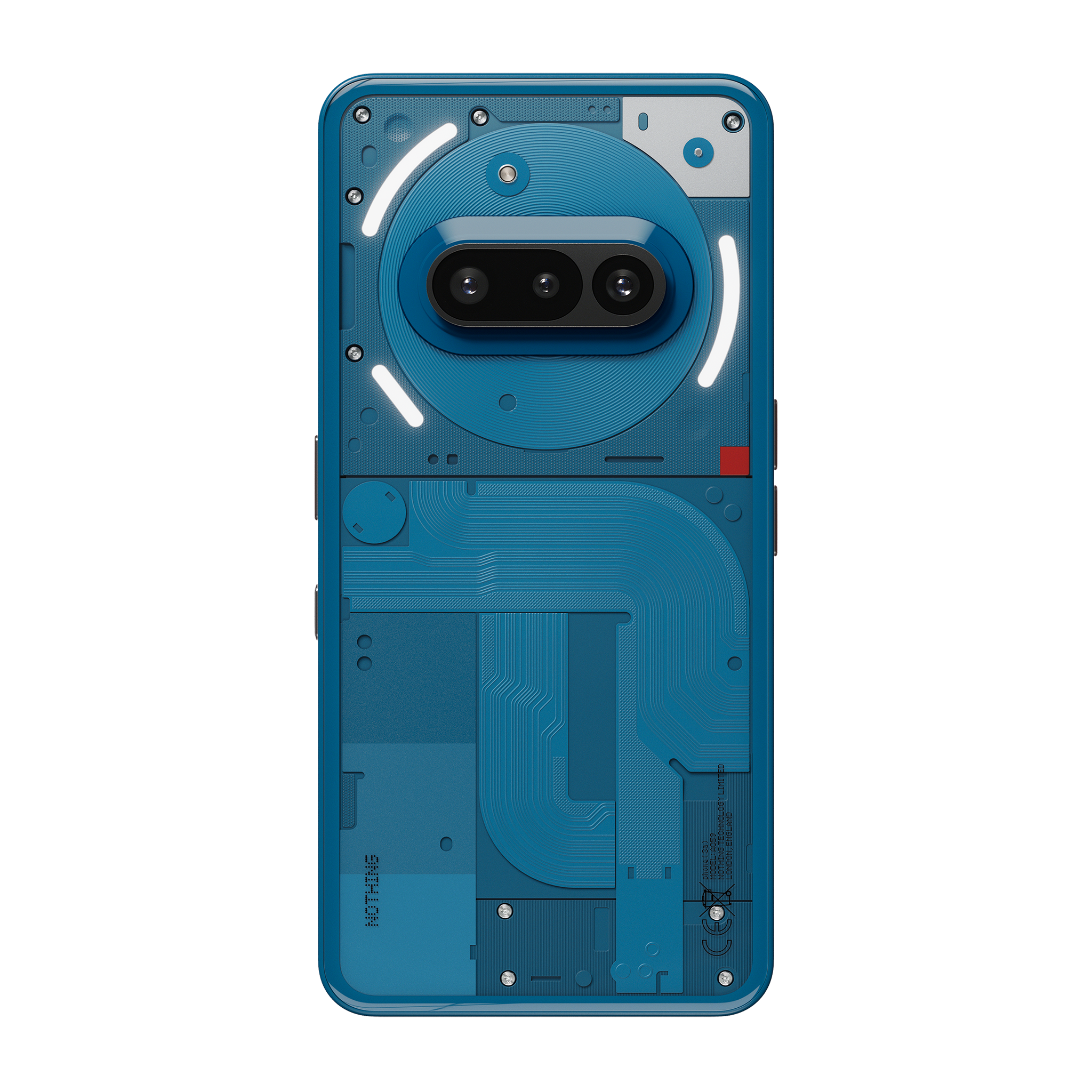
The Nothing Phone (3a) 12GB/256GB Blue is the only model in this trio with a dedicated 50MP telephoto camera offering 2x optical zoom. Alongside its 50MP OIS main camera and 8MP ultrawide, that gives you three genuinely different framing options. For a family portrait or food detail, the telephoto lets you stand farther back instead of pushing a wide camera close to the subject. That is a concrete hardware advantage, not proof that every portrait will look better.
Its Snapdragon 7s Gen 3 and 6.77-inch AMOLED display make this a different proposition from the performance-led F7. Buy it for the camera arrangement, recognisable blue design and lower displayed price, not because the “20GB RAM booster” slogan means 20GB of physical RAM. The Malaysian configuration explicitly uses 12GB physical RAM. The 5000mAh battery also should not be described as equivalent to POCO’s larger 6500mAh cell.
Pros
- Dedicated 2x optical telephoto expands portrait framing beyond the main camera.
- The official Malaysian page identifies the exact Blue 12+256GB configuration and its displayed price.
- The distinctive Glyph lighting and transparent-style back offer an alternative to conventional phone styling.
Cons and who should avoid it
IP64 is splash-and-dust protection, not the same immersion rating as IP67 or IP68. Do not choose it for swimming or assume liquid damage is covered. Buyers whose main goal is demanding gaming should prioritise the POCO’s processor instead. If you rarely use a telephoto camera and already prefer Samsung’s interface, the design alone is not a strong reason to switch.
POCO F7: put the budget into gaming hardware
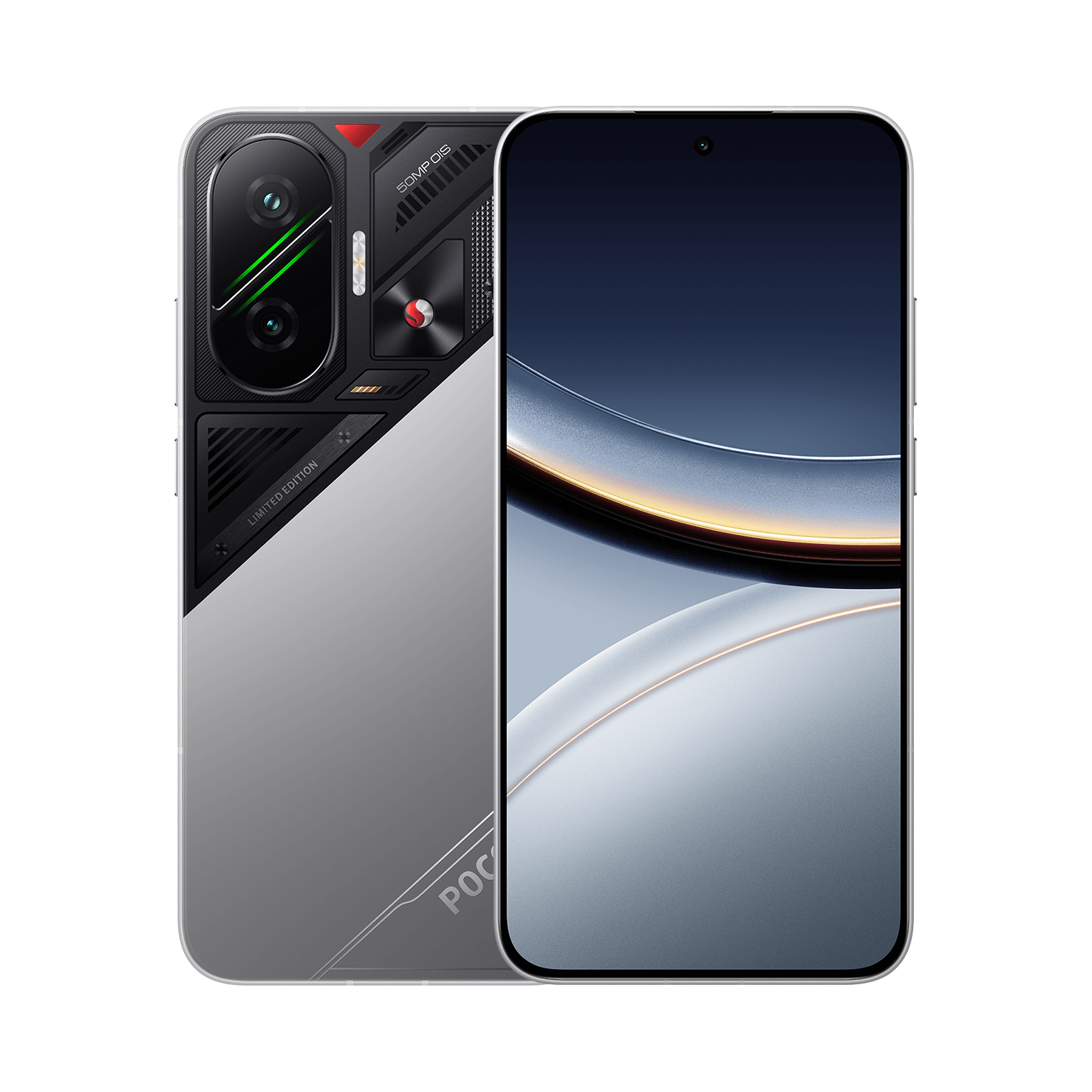
The POCO F7 12GB/256GB Cyber Silver combines Snapdragon 8s Gen 4, LPDDR5X RAM and UFS 4.1 storage. Those are the reasons it earns the gaming recommendation here. Its 6.83-inch 2772×1280 AMOLED panel runs at up to 120Hz, offering a larger, sharper canvas than Samsung’s 6.7-inch FHD+ panel. A 120Hz display does not promise 120fps in every game, and the manufacturer’s game-enhancement features have title-specific restrictions.
The Malaysian specification is 6500mAh with support for 90W HyperCharge. Do not copy the larger battery figure from a different regional version into a Malaysian purchase decision. More capacity gives the hardware a larger energy reserve, but we have not measured battery endurance or sustained thermal performance. Ask the seller whether the correct fast-charging adapter is supplied; Xiaomi itself says regional package contents can vary. At 215.7g, the F7 also warrants a real grip test before a long commute or one-handed purchase.
Advantages
- Performance-oriented chipset and fast memory/storage combination.
- Largest battery and highest stated wired-charging power in this comparison.
- 50MP main camera with OIS and an IP68 rating provide useful supporting features.
Drawbacks and buyer fit
The rear array is a 50MP main plus 8MP ultrawide; it does not contain Nothing’s dedicated telephoto. A 2x portrait mode is not automatically a separate optical lens. The large body is less attractive if pocketability matters more than screen area. Choose F7 for games and media; avoid treating it as the automatic camera winner merely because its processor is the most performance-oriented.
Galaxy A56 5G: pay for the ownership plan
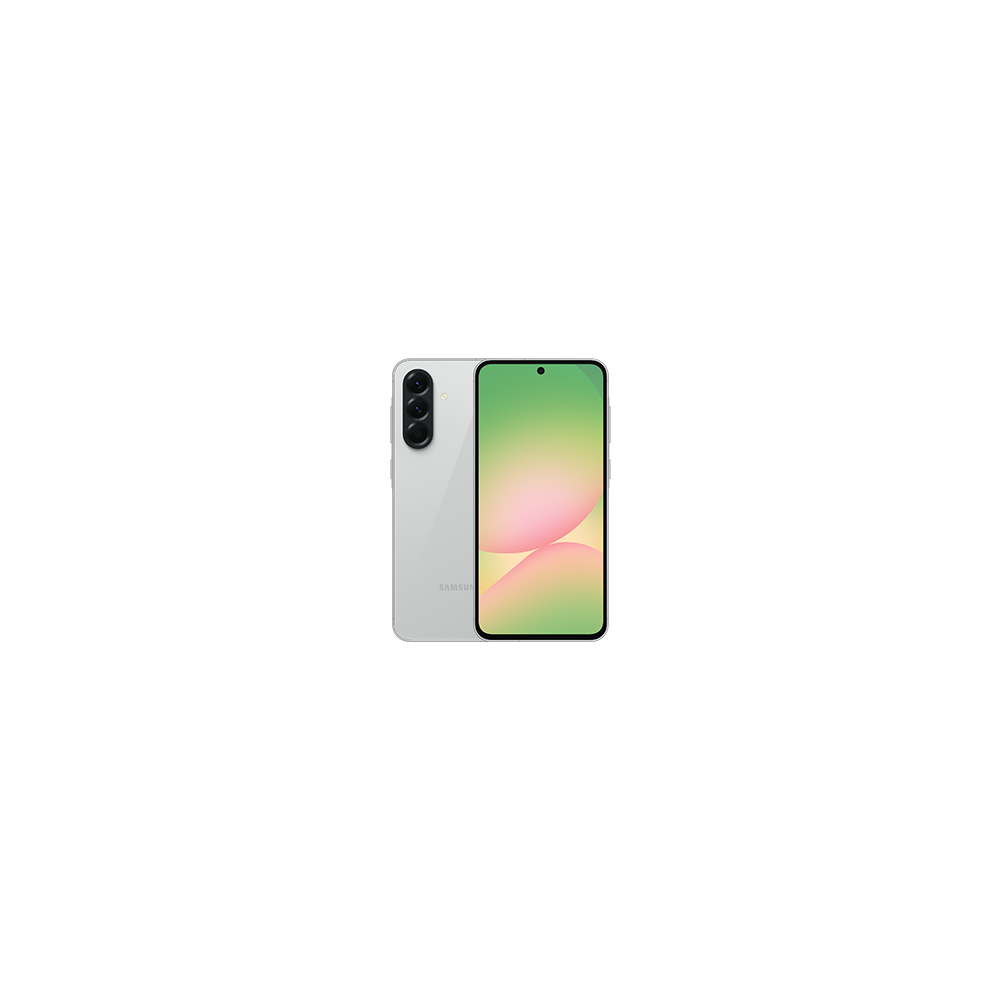
Samsung Galaxy A56 5G 12GB/256GB Lightgray uses Exynos 1580, a 6.7-inch up-to-120Hz Super AMOLED display and a 5000mAh battery with 45W charging support. Its camera array is a 50MP OIS main camera, 12MP ultrawide and 5MP macro. The 12MP front camera supports Samsung’s HDR selfie-video features. These facts favour a balanced everyday camera and software package, but the macro camera is not a substitute for a portrait telephoto.
The decisive distinction is Samsung’s promise of up to six generations of Android/One UI upgrades and six years of security updates. That period relates to the model’s release, not six fresh years beginning whenever you buy leftover stock. Someone managing banking, work accounts and family photos over several years can reasonably value that published commitment above POCO’s faster charging. It does not guarantee all future apps or battery health indefinitely.
Pros
- Documented long software-support commitment and Samsung Knox security features.
- IP67 rating, 198g specified weight and a 7.4mm body offer a different physical balance from F7.
- 12MP ultrawide and selfie-video tools are relevant to group photos and video calls.
Cons and when to skip it
Its original RM2199 RRP is the highest reference here, yet it has neither the F7’s 6500mAh battery nor Nothing’s optical telephoto. The original March 2025 rebate and extended-warranty promotion must not be presented as available today. Skip it if you replace phones frequently and mainly want gaming hardware per ringgit. Choose it if a familiar software environment and documented support are worth the actual current price difference.
What the price gaps really buy
Against the cited reference figures, stepping from Nothing to POCO changes the purchase from portrait versatility to processor, screen and charging headroom. Moving to Samsung changes the emphasis again, towards the support policy and software ecosystem. Because the reference dates differ, these are positioning comparisons, not a claim that today’s checkout gaps equal those numbers. Get three written, like-for-like 12GB/256GB local-set quotes before deciding.
Buying in Malaysia: verify the set and service terms
Ask for the exact model, physical RAM, storage, Malaysian warranty provider and invoice details. Confirm who handles a fault and whether shipping to a service point from Sarawak is included. No Kuching delivery promise has been verified here. Check charger contents and return terms before treating a voucher as savings. A grey-import bargain can change the service arrangement even if the exterior looks identical.
Water-resistance ratings describe controlled tests and can deteriorate with wear; they are not an invitation to submerge the phone. Check current warranty wording rather than assuming liquid damage is covered. If a shopping link leads to a related alternative, verify that alternative separately: the specifications, image and reference price in this article belong only to the named models.
Verdict
Start with the Galaxy A56 5G for a keep-it-longer everyday phone, then test its current quote against the alternatives. Choose Nothing Phone (3a) when a real 2x portrait lens and the lower displayed reference matter most. Choose POCO F7 when gaming hardware, a larger battery and fast charging lead your decision. None is the best at all three jobs, and that is precisely why this comparison is more useful than a single “best phone” label.
Pingback: Phone (3a)、POCO F7、Galaxy A56怎么选?人像、游戏与长期使用比较 - Eazy Picks
Pingback: Phone (3a), POCO F7 atau Galaxy A56: Pilih Kamera, Permainan atau Sokongan Lama? - Eazy Picks